/ Magazine / Other Articles / EUREKA laundry, merging social solidarity with top-quality service
by
MARZIO NAVA
In Castelfranco Veneto, the hometown of Renaissance master Giorgione, nestled in Italy’s Treviso province - Eureka Laundry is tackling the challenge of uniting social solidarity with economic productivity. Eureka Laundry was founded in 1988, by Bruno Pozzobon - a pioneer of social enterprise and a key figure in Italy’s mental health reform. Today, his son Enrico Pozzobon serves as the organization’s president. We met with Enrico at the laundry's headquarters in Castelfranco Veneto. “The idea of integrating disadvantaged individuals into the workforce and turning production into a vehicle for social value was entirely my father’s”, says Enrico. “He played a role in shaping the Basaglia Law, the 1978 reform that closed Italy’s psychiatric asylums and redefined mental health care.That’s where it all began.
Looking back to the late 1980s, Eureka Laundry was born within the heart of Castelfranco Hospital, where it first employed several young people with disabilities. By 1990, the operation had relocated to a rented warehouse, but the situation was not very optimistic. Old machinery, a workforce of just 25, and revenues that stalled below 800.000 euros painted a difficult picture. The business was having serious money problems, and its financial reports often showed trouble. It became more and more clear that a big change was urgently needed.
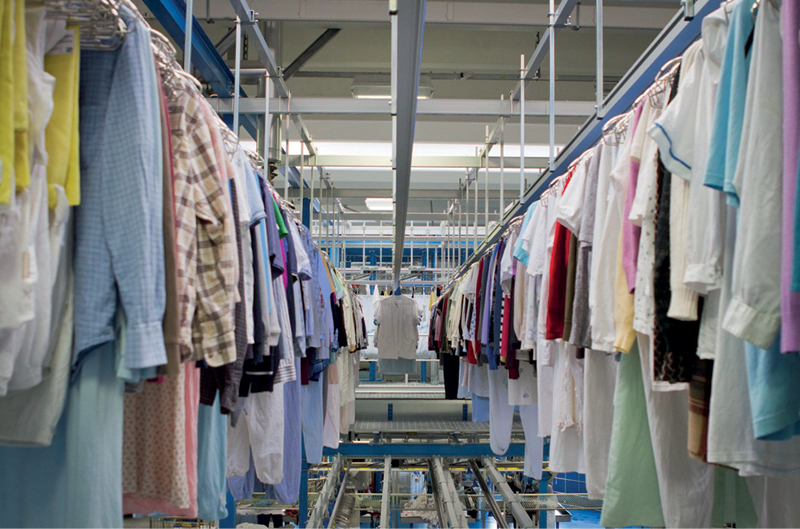
In 2006, Enrico Pozzobon was called upon by his father and key investors to take the helm of Eureka Laundry. Recognizing untapped potential, he set out to transform the operation. Enrico quickly realized that nursing homes were not properly equipped to manage laundry services reliably, prompting a push to separate these activities from residential care facilities. His vision emphasized a seamless integration of sanitization and quality service. With his father’s full support, Enrico embarked on a project to modernize the business through automation - making production processes more accessible to disadvantaged and vulnerable workers. A key challenge was adapting treatment systems to handle the unique needs of non-standard guest clothing, effectively turning the exception into the norm. However, securing investment proved complex. In negotiations with banks, Enrico encountered the concept of “fungibility”. They told me the project was good, but the assets used as investment guarantees were not fungible; in other words, they could not be understood or conceived like a mortgage on an apartment, where in case of non-payment the bank proceeds to acquire the property. With a laundry business, it is objectively much more difficult.

We secured the support of Banca di Credito, Banca Etica, and CFI, which is a Roman fund specializing in recapitalizing social cooperatives and we involved them in the board of directors. That was the beginning of our transformation. In 2009, we built our warehouse, and by 2013, we had upgraded our automated clothing management system, originally designed for work uniforms. That shift marked a turning point. Serving nursing homes and hospitals meant adapting to two very different worlds. In an RSA, or nursing home, a bed isn’t just a clinical space, it’s personal. Just like the uniforms worn by caregivers, every detail must reflect the idea of home. We operate differently because RSAs are different, they're homes, not institutions. I learned that first-hand in the 1990s, working with my father as he managed services at the Castelfranco nursing home. It was there I came to understand the rhythms, needs, and values that guide elder care.
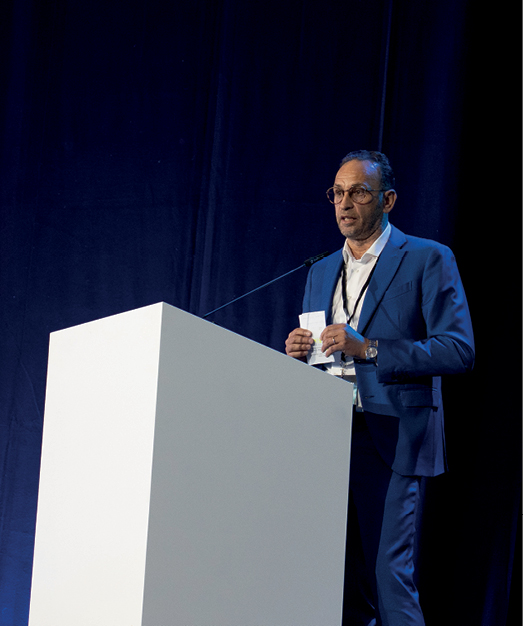
The evolution of Eureka, from a company with just 25 employees and €800.000 in turnover, we’ve grown into a company of 300 people generating €20 million in annual revenue. The formula? Relentless effort, a commitment to quality, and a broader vision tailored to the unique needs of nursing homes. We didn’t just
offer services but a full project to nursing homes. But the number I’m most proud of isn’t on our balance sheet: out of 300 employees, 85 are people with disabilities - that’s over 30%, the percentage required by law. We hired people in accordance with the Law 381/1991, the landmark legislation that established social cooperatives in Italy. Eureka is part of that ecosystem, a satellite of a much larger movement aimed at
inclusion through meaningful work. Our work culture is built around dignity and structure. Every disadvantaged or disabled employee has a designated workstation, because dignity also comes through one’s place of work. The impact is measurable: while industrial laundries often report absenteeism rates of around 7%, ours is just 2,5%.
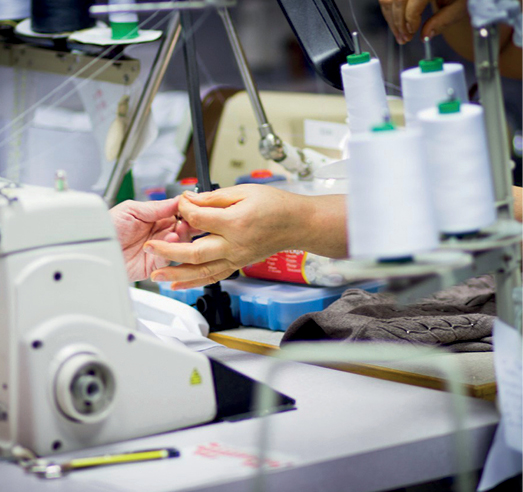
The laundry isn’t just a workplace, it’s a world of its own. A vibrant melting pot where friendships form and social bonds take root. Of course, that doesn’t mean it is always smooth sailing. With employees representing 23 different ethnicities, managing the day-to-day is complex. But that’s precisely the point: we see the laundry as a kind of social laboratory, a space where inclusion is tested, and proven, every day. As a Type B Cooperative, our mission is twofold. First, we create job opportunities for individuals with disabilities, as defined by Law 381/1991. Second, we open our doors to those facing social marginalization, people who often fall through the cracks of the conventional labour market. The path to employment typically begins with training and internships, tailored to the needs and potential of each person. The goal is always the same: long-term, stable employment. To make this possible, we’ve invested (including financially) not only in programs, but in people hiring trained specialists to provide continuous support. Because for those facing vulnerabilities, getting a job is just the beginning; “keeping it” requires ongoing guidance and care. At Eureka, our ambition isn’t to outcompete others by providing a high-quality service through our “atypical” work organization. We’re not here to generate profit margins, our real added value lies in social and workplace inclusion.
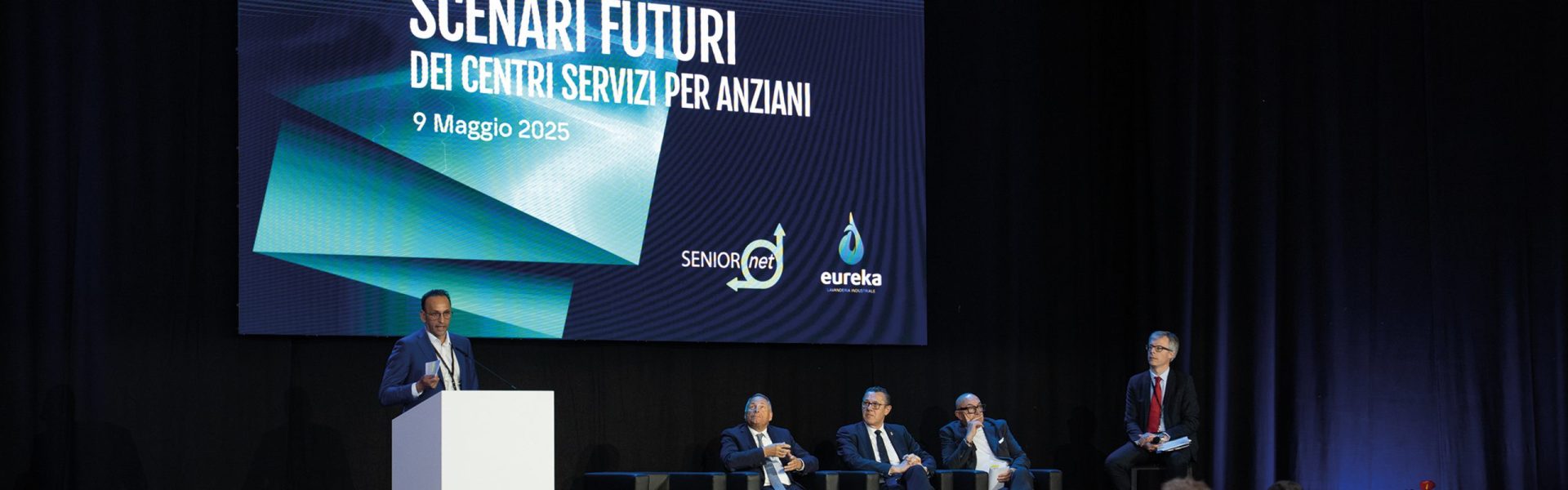
We’re now considering to reinvest part of our earningst in training and education, as we’ll be doing tomorrow (editor’s note: May 9, 2025) with the organization of the upcoming conference we’re hosting entitled “Future Scenarios for Elderly Care Centers.” Our client base is made up almost entirely of nursing homes, (RSAs), mostly within the Veneto region, but also in Friuli and Emilia-Romagna. About 90% of our work is in Veneto region, where the RSAs are larger in terms of size. For instance, the nursing home in Treviso provides us with around 150.000 kg of laundry per year, as it accommodates no less than 900 residents.
Having the entrepreneurial courage at Eureka Laundry means more than boldness, it requires accountability within the cooperative’s unique governance structure, where members elect the Board of Directors, which in turn vote the President. Yet, courage alone cannot drive success without a deep market understanding. To gain that insight, I travelled extensively across Italy and Europe, studying industrial laundry operations. One visit that left a lasting impression was in Düsseldorf in 2006, where I toured a social cooperative laundry fully integrating young people with autism and Down syndrome into their workforce. Their model wasn’t just inclusive, but truly empowering. This model was not only inspiring, but it became a revelation that would shape Eureka’s own approach.
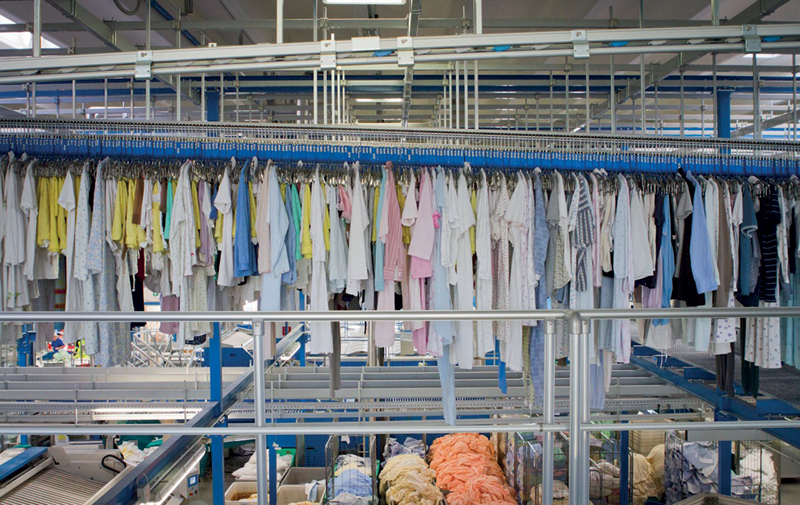
Eureka’s story wouldn’t exist without the group of Type A Cooperatives in Castelfranco (which provide rehabilitative, educational, and care services), especially the Cooperative L’Incontro, founded by my father. Years ago, he partnered with the then Ulss 8 of Castelfranco Veneto to establish rehabilitative and occupational pathways for people facing mental health issues. This collaboration sparked a virtuous cycle: individuals participating in rehabilitation programs at L’Incontro could seamlessly transition into professional roles within Eureka, a Type B Cooperative, becoming fully integrated in the production process. This synergy between Ulss, the Type A, and Type B cooperatives wasn’t just innovative, it was transformative. It empowered people with mental health conditions to regain social roles and achieve economic independence through meaningful employment. Over time, Eureka has also built strong ties with the entire network of local stakeholders, including the Employment Integration Service, Employment Centers, and Municipal Social Services, cementing its role as a cornerstone of community support and inclusion.
I set my sights on a clear goal: to do what others wouldn’t - tackle the toughest challenge through our “atypical organization.” Managing the clothing of elderly residents. We were the only ones in implementing advanced traceability for garments, a practice that remains at the heart of our business today. Our mission has always been to perfect a service known for its excellence. Thanks to long-term contracts with nursing homes (RSAs), we maintain steady production that ensures consistent employment for everyone at Eureka. Unlike many industries, our work isn’t seasonal or subject to sudden shifts, providing much-needed stability for our team.
In terms of volume, how is the laundry workload divided among residents’ clothing, work uniforms, and flat linen?
At Eureka Laundry, garments belonging to elderly residents make up the majority of the workload, around 60% of the total volume. Flat linen accounts for 34%, while staff uniforms represent the remaining 6%. This mix is what keeps the operation “in motion”. Each year, the cooperative invests approximately 1,5 million euros in innovation: spanning new machinery, advanced products, and, currently, a major facility expansion. The newly extended space recently served as the venue for the Conference on Future Scenarios for Elderly Care Centers, held on May 9.
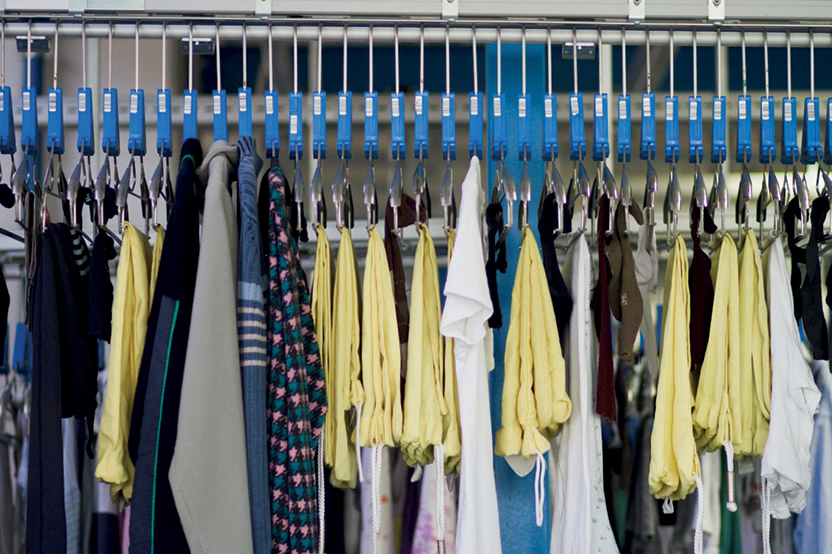
Each garment receives a QR code label. What’s written on that QR code label? The label stores vital information: the resident’s name, room number, and full garment history including fabric type, colour, and other identifying features. Once the items arrive at the laundry facility, the QR codes are scanned, triggering a production workflow tailored to each garment’s specific treatment needs. Accuracy at this stage is critical. A single error in processing could introduce noncompliant material into the system. An optical reader pairs each garment with the appropriate hanger, guiding it through the facility based not just on ownership, but also on the care requirements dictated by its composition. When the garments arrive at the finishing station, staff conduct a meticulous quality check to ensure the garment is defect-free and in excellent condition before it’s returned to its owner”.
Enrico closes with a powerful comparison: “Monday mornings can be tough for many of us, we arrive reluctantly, burdened, and often quiet to work. It usually takes until mid-morning before we start to warm up and find our rhythm. But for many disadvantaged workers at Eureka, Mondays are different. It’s the day they reconnect with their workstation, regain their sense of certainty and belonging, work becomes a space where relationships are rebuilt and identities affirmed”. “If we all paused to reflect on this at the start of each week”, adds Pozzobon, “it might be a valuable mental exercise, a way to embrace each week more constructively”. •
DETERGO MAGAZINE # JUNE 2025
Share
Do you want to become one of us?
Do you know the association?
In 1990 was founded the Association ASSOFORNITORI. In 2022 the name has been changed to ASSOCIAZIONE ITALIANA FORNITORI LAVANDERIE (ITALIAN ASSOCIATION OF LAUNDRY SUPPLIERS), with the acronym AIFL.
Become a Member
Phone: 02 39 31 41 20
Email: info@assofornitori.com
C.F. 97091250155
Via Aldo Moro 45
20060 Gessate (MI)
detergo
Associated Companies
Phone: 02 39 31 41 20
Email: info@assofornitori.com
C.F. 97091250155
Via Aldo Moro 45
20060 Gessate (MI)
Follow us